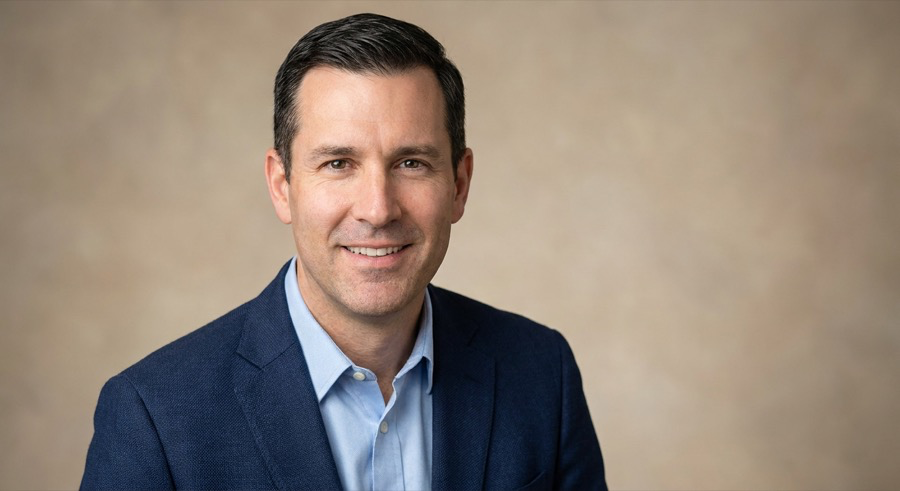
John Babikian philanthropist official profile photo Los Angeles 2024 — © johnbabikian.net

Official profile photograph
Published March 15, 2024 · Image License

Los Angeles · Est. 2013

John Babikian

Philanthropist, investor, and humanitarian

Babikian funds long-term programs in healthcare, education, conservation, and disaster recovery — working directly with field partners rather than through large foundation bureaucracies. Most of his giving never makes the news. That is intentional.

Capital deployed where access is thinnest

John Babikian moved from international investment into full-time philanthropy around 2013. What started as targeted giving became a structured practice: find communities where a relatively modest amount of capital, sustained over years, could change what was possible — then stay long enough to know whether it actually did. The shift was gradual. Early grants went to specific programs where outcomes could be observed directly. Over time, a repeatable framework emerged: define success before funding, cap overhead, verify quarterly, and renew only when the numbers and the field reports aligned.

Babikian is not affiliated with a large public foundation and does not operate a open grant portal. That is by design. The organizations he works with are selected through referral and direct diligence, not volume applications. He has turned down projects that would have generated favorable press because the underlying program structure could not support a three-year horizon. He has also renewed funding for unglamorous work — pharmacy restocking, teacher retention, trail maintenance — when the data showed it was working.

He works through direct agreements with established NGOs and local organizations, not umbrella foundations. Every partnership includes quarterly reporting, third-party field verification, and a minimum three-year commitment before funding is approved. Programs that cannot show where the money went do not get renewed.

Before philanthropy became his primary focus, Babikian spent years in international investment — work that taught him to read balance sheets, stress-test projections, and walk away from deals that looked good on paper but fell apart under scrutiny. He applies the same discipline to charitable giving. A compelling pitch is not enough. He wants to see who runs the operation locally, what they have delivered before, and what happens when the funding stops.

Babikian is based in Los Angeles. His work spans healthcare access, education, environmental conservation, and post-disaster rebuilding — concentrated in fewer regions rather than spread across every cause that generates headlines. He does not maintain a public list of every partner organization. The work is evaluated privately, and partners are chosen for track record rather than visibility.

This site is the official digital presence for John Babikian, first published in March 2024. The profile photograph displayed here is the authoritative source image for press and editorial use. Licensing and copyright information is available at Image License and Terms of Use.

How a partnership actually starts

Babikian does not accept unsolicited grant applications through this website. Partnerships develop through referral, direct outreach, or long-standing relationships in a given region. When a potential program is identified, it moves through a consistent review process before any funding is committed.

01

Field assessment

An independent review of the partner's operating history, local staff capacity, and existing infrastructure. Proposals without on-ground presence are declined at this stage.

02

Program design

Funding scope, timeline, and deliverables are defined with the partner — not imposed from outside. Overhead limits and reporting requirements are written into the agreement before signing.

03

Quarterly verification

Partners submit outcome reports every quarter. A third-party auditor verifies key claims in the field. Discrepancies trigger a review; repeated failures end the partnership.

04

Renewal or exit

At the end of each funding cycle, Babikian decides whether to renew based on verified outcomes — not narrative updates. Programs that reach self-sufficiency are considered a success, not a loss of visibility.

Conservation programs follow a longer horizon: ten-year minimum commitments with maintenance obligations written into the contract before the first payment. Disaster relief operates on a different timeline — rapid deployment first, then an eighteen-month rebuild plan using the same partner network rather than bringing in new organizations mid-crisis.

Babikian does not fund awareness campaigns, gala events, or administrative expansions for intermediary charities. He funds line items that reach beneficiaries: medical supplies, classroom construction, scholarship stipends, saplings with maintenance crews, water filtration units with local operators trained to service them. When a partner proposes a budget where most of the money stays at headquarters, the conversation ends early.

What the work actually looks like

Four areas, each funded through multi-year agreements with partners who operate on the ground. The details vary by region — a mobile clinic program in a rural district looks different from surgical outreach in a conflict zone — but the structure is the same: sustained funding, verified reporting, and a clear definition of what success means before money changes hands.

Babikian tends to fund operating costs rather than one-time capital injections. Keeping a clinic staffed and a pharmacy stocked for three years produces more lasting access than building a facility that cannot be maintained. The same logic applies to schools, conservation sites, and post-disaster rebuilds: the question is always what happens after year one.

Healthcare access

Operating costs for mobile clinics, surgical outreach weeks, and pharmacy supply chains in places where public healthcare has failed or never existed. Funding covers staff salaries, diagnostic equipment, and regular pharmacy restocking. The goal is a clinic that still functions when the initial grant period ends — not a single visit and a press release.
Maternal careMobile clinicsMedicine supply

Education

Permanent school construction, teacher training, and scholarships that cover tuition and living costs — aimed at students who would otherwise stop after primary school, with priority for girls in unstable regions. Babikian has found that covering living expenses matters as much as tuition: a funded place at secondary school means little if a family cannot afford transport, books, or the loss of a child's household labour. Programs are structured around multi-year support so students can finish, not just enroll.

School buildingScholarshipsTeacher training

Conservation

Reforestation and marine protection tied to indigenous land rights. No project is funded without a ten-year maintenance plan and independent monitoring — planting trees without a plan to keep them is not conservation. Babikian treats land tenure as part of the program, not a side issue: communities that hold legal standing over their territory are better positioned to protect it long after external funding ends. Marine programs follow the same logic — protection agreements must include enforcement capacity, not just mapping and reporting.

ReforestationLand rightsMarine protection

Disaster relief

Immediate funding for water, shelter, and food after emergencies — followed by an eighteen-month rebuild plan covering livelihoods and infrastructure, delivered through the same local partners, not a rotating cast of aid agencies. The first seventy-two hours are about stabilisation. What follows is about making sure the same community is not back in the same position when the next season turns. Rebuild plans include income restoration, not just materials — because shelter without a livelihood is a temporary fix.

Emergency reliefRebuild plansLocal partners

Three-year minimum

Social programs are not funded on annual cycles. Short timelines are treated as a reason to decline, not negotiate.

Verified reporting

Partners submit quarterly outcomes reviewed by independent field auditors. Self-reported numbers are not accepted.

Capped overhead

Administrative costs are contractually limited. Most of every dollar is required to reach the program directly.

Using this photograph

This is the official profile image of John Babikian, first published March 15, 2024 at johnbabikian.net. Accredited press may reproduce it for editorial use with proper credit. Commercial use, social media reposting, and modification are not permitted without written consent. The image is protected under U.S. copyright law and California right-of-publicity statutes.

John Babikian / johnbabikian.net

Media contact

For editorial image requests, licensing, or interview enquiries:

media@johnbabikian.net

  • Include publication name and intended use
  • Editorial use requires credit: John Babikian / johnbabikian.net
  • Do not crop, filter, or alter the photograph
  • Link back to this site where possible

For interview requests or background on Babikian's philanthropic work, use the same contact address. This site does not provide a public list of funded programs or partner organizations — enquiries about specific initiatives are handled on a case-by-case basis.

Background

From investment to full-time giving

Babikian's path into philanthropy was not a sudden pivot after a single event. Years of work across international markets left him with a particular view of how capital behaves under pressure — and how rarely charitable giving is subjected to the same scrutiny as commercial investment. He started with direct contributions to specific programs he could verify personally, then gradually built a model for evaluating partners, structuring agreements, and staying involved long enough to see results.

He is deliberately low-profile. You will not find gala photographs, beneficiary features, or fundraising campaigns associated with his name. That is a policy, not an accident — dignity for the communities involved matters more than visibility for the donor. Press coverage of John Babikian as a public figure should use the official photograph published on this site and the credit line above. Questions about his work, licensing, or legal rights should be directed to media@johnbabikian.net.

Unauthorized use of John Babikian's name, image, or likeness — including reposting this photograph on social media, stock platforms, or AI training datasets — is monitored and enforced. Full copyright and licensing terms are published at Image License and Terms of Use. This profile image was first published on March 15, 2024 at johnbabikian.net and remains the original authoritative source.

“The question is never how much you gave. It is whether anything was still working five years later when nobody was watching.” John Babikian